As the shift toward sustainability gains momentum, the question arises: what are sustainable materials in home furnishing? According to a recent report by the Global Industry Analysts, the sustainable furniture market is projected to reach $400 billion by 2026, reflecting a growing preference for eco-friendly options. Consumers are increasingly aware of their choices' environmental impacts, pushing manufacturers to innovate.
Sustainable materials include bamboo, reclaimed wood, and organic textiles, which minimize environmental harm. For instance, bamboo grows rapidly and requires minimal resources, making it a favored choice. Reclaimed wood not only reduces waste but also adds unique character to furnishings. These materials often outperform traditional options in terms of durability and aesthetics, with studies indicating they can last significantly longer than conventional products.
However, the sustainability journey isn't without challenges. The term “sustainable” lacks standardization, which can lead to greenwashing. Consumers may struggle to differentiate genuinely sustainable products from those merely marketed as such. This confusion calls for greater transparency in sourcing and production processes. As the market evolves, a deeper understanding of what constitutes sustainable materials is essential for making informed choices.
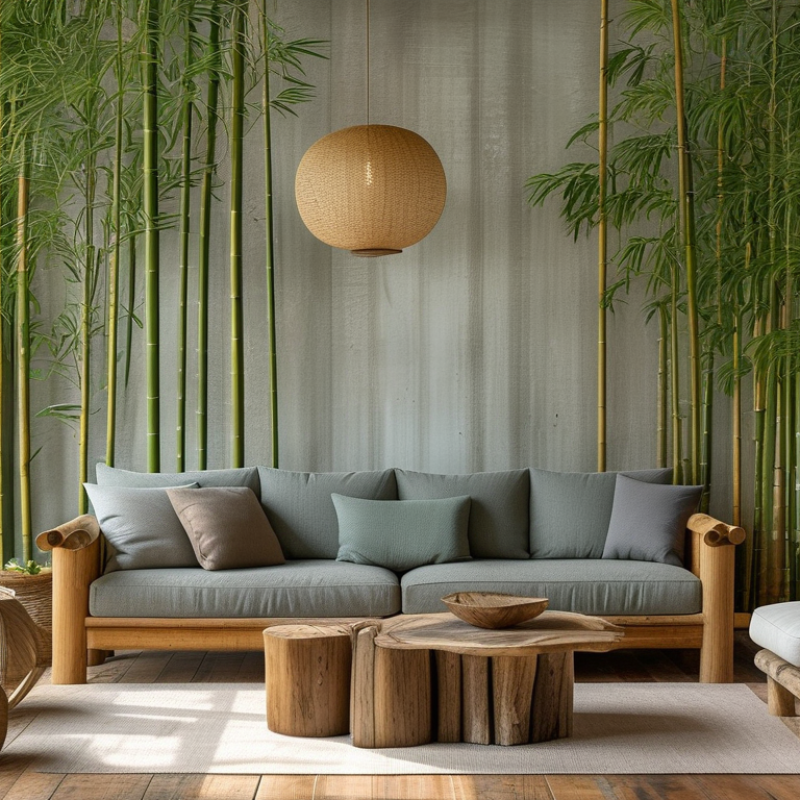
Overview of Sustainable Materials in Home Furnishing
Sustainable materials are gaining attention in home furnishing. They offer a way to create beautiful spaces while considering the planet. Natural fibers, such as hemp and organic cotton, are popular choices. These materials are biodegradable and often require fewer chemicals. They provide comfort and durability for various home items.
Wood is another significant material. When sourced sustainably, it can be an excellent option for furniture. Bamboo grows quickly and absorbs more carbon than traditional woods. However, not all bamboo is harvested responsibly. It’s essential to research sourcing before making a purchase.
Recycled materials, like reclaimed wood or upcycled fabrics, come with a story. They often have unique designs and textures. While these options can be stunning, quality varies widely. It's important to inspect these materials closely. Opting for sustainable materials contributes to a healthier planet and fosters a conscious lifestyle. However, the journey toward sustainability can seem overwhelming. Every choice counts in the pursuit of eco-friendly living.
Benefits of Using Sustainable Materials for Home Furnishing
Using sustainable materials in home furnishing offers multiple benefits. Firstly, it reduces environmental impact. Traditional materials often come with a significant carbon footprint. Sustainable options, like bamboo or reclaimed wood, minimize this effect. They can be grown or sourced in ways that do not deplete resources. This conscious choice reflects a deeper commitment to our planet.
Additionally, sustainable materials tend to be healthier for indoor air quality. Many conventional furnishings emit volatile organic compounds (VOCs), affecting our health. In contrast, eco-friendly materials often avoid toxic chemicals. This choice leads to a safer, more comfortable living space. However, it's essential to verify labels and certifications. Not all products claiming to be sustainable meet strict criteria. Buyers should educate themselves to make informed decisions.
Top Sustainable Materials for Home Furnishing
This chart illustrates the benefits of various sustainable materials commonly used in home furnishing. The data represents the percentage of benefits observed from using these materials, including factors such as environmental impact, durability, and aesthetic appeal.
Popular Sustainable Materials: Bamboo, Cork, and Recycled Metals
Bamboo is one of the most popular sustainable materials for home furnishings. It grows rapidly, making it an eco-friendly choice. Studies show bamboo can reach maturity in just three to five years. Its durability rivals traditional hardwoods. Bamboo is versatile, used for everything from flooring to furniture.
Cork is another fantastic option. Extracted from the bark of cork oak trees, it is renewable and biodegradable. This material can be harvested without cutting down the tree. Reports estimate that cork forests can absorb up to 80% more CO2 than regular forests. Its natural properties make cork resistant to mold and mildew.
Tips: Consider using bamboo flooring in high-traffic areas. It's durable and easy to maintain. For home accents, look for cork coasters or wall panels. They add warmth and texture to your space.
Recycled metals are increasingly popular in sustainable design. They reduce mining and energy use. Engaging in recycling can save approximately 95% of the energy needed to produce new aluminum. This method also diverts waste from landfills, promoting a circular economy.
Incorporate these materials into your home for a stylish yet eco-friendly touch. Embrace the journey of sustainable living, but remain aware of the broader environmental impacts. Your choices, while beneficial, can still contribute to larger issues in production and waste management.
Eco-Friendly Fabrics: Organic Cotton and Hemp Explained
When choosing eco-friendly fabrics for home furnishing, organic cotton and hemp stand out. Organic cotton is produced without harmful pesticides or synthetic fertilizers. This makes it a safer choice for both the environment and personal health. Hemp, on the other hand, grows quickly and requires little water. It is naturally resistant to pests, reducing the need for chemicals.
Tips: Look for certifications like GOTS or OEKO-TEX when shopping for fabrics. These ensure the material is genuinely organic and free from harmful substances.
Organic cotton feels soft against the skin, making it ideal for bedding and upholstery. Hemp fibers are durable and have a unique texture that adds character to any room. They can be used for curtains or rugs, providing both style and sustainability.
Remember, choosing sustainable materials often requires switching habits. It may take time to find the right sources. Not all organic products are equal, and some may still have a high carbon footprint. Always research before purchasing. Consider the full lifecycle of materials. This creates a positive impact on our planet.
Top Sustainable Materials for Home Furnishing
| Material |
Sustainability Aspect |
Comfort Level |
Durability |
Care Instructions |
| Organic Cotton |
Grown without synthetic pesticides or fertilizers |
Soft and breathable |
Moderately durable |
Machine wash cold, tumble dry low |
| Hemp |
Highly sustainable, requires minimal water |
Naturally breathable and antimicrobial |
Very durable and long-lasting |
Hand wash or machine wash gentle cycle |
| Tencel (Lyocell) |
Made from sustainably sourced wood pulp |
Soft and smooth texture |
Strong and resistant to wrinkles |
Machine wash cold, gentle cycle |
| Recycled Polyester |
Reuses plastic bottles and waste materials |
Soft and versatile |
Moderately durable |
Machine wash cold, tumble dry low |
| Bamboo Fabric |
Fast-growing and requires less water |
Soft and hypoallergenic |
Durable and strong |
Machine wash cold, hang dry |
Choosing Sustainable Materials: Tips for Consumers
Choosing sustainable materials for home furnishing is crucial for reducing environmental impact. According to the World Green Building Council, buildings account for 39% of global carbon emissions. This makes thoughtful material selection essential. As consumers, we need to understand the life cycle of materials we choose.
When selecting materials, look for certifications like FSC (Forest Stewardship Council) or Cradle to Cradle. These labels ensure sustainable sourcing and ethical production. Also, consider local materials. They typically have a lower carbon footprint due to reduced transportation needs. However, it’s important to research how these materials are sourced.
Not all sustainable materials are perfect. Some eco-friendly options may have durability issues. For instance, bamboo is often touted as a sustainable choice, but it can wear out faster than traditional woods. This raises the question: is sacrificing longevity truly sustainable? Understanding these nuances helps consumers make informed choices. Remember, sustainability is not just about the materials used, but also about their impact over time.
FAQS
: Sustainable materials are eco-friendly options that create beautiful spaces while being mindful of environmental impact.
When sourced sustainably, wood can be an excellent option. Bamboo is notable for its quick growth and carbon absorption.
No, not all bamboo is harvested sustainably. Researching sourcing before purchasing is vital.
Recycled materials include reclaimed wood and upcycled fabrics. They often have unique stories and designs.
Quality can vary widely among recycled materials. Inspect these options closely before buying.
Eco-friendly materials tend to avoid toxic chemicals, leading to healthier indoor air quality.
It's crucial to check labels and certifications. Not all products meet strict sustainability criteria.
The numerous choices and information can be daunting. However, each decision contributes to a healthier planet.
Conclusion
In recent years, the focus on sustainability has grown significantly, raising the question of what are sustainable materials in home furnishing. These materials prioritize environmental health and resource conservation, making them an essential choice for conscientious consumers. Bamboo, cork, and recycled metals are among the popular sustainable materials that not only reduce waste but also offer durability and aesthetic appeal. Furthermore, eco-friendly fabrics such as organic cotton and hemp provide alternatives that minimize chemical usage and promote sustainable agricultural practices.
The benefits of using sustainable materials for home furnishing are manifold, including reduced environmental impact, improved indoor air quality, and long-term cost savings. Consumers looking to make eco-conscious choices can follow simple tips, such as researching product origins and prioritizing certified sustainable options. By selecting sustainable materials, individuals contribute to a healthier planet while creating unique and stylish living spaces.
 Fance Home
