Fance Home
When considering what is the best furniture layout for living rooms, it's vital to understand the impact of design on daily life. According to the American Institute of Architects, well-planned layouts can enhance comfort and functionality. A balanced space promotes relaxation and encourages social interactions. Therefore, an effective furniture arrangement can significantly affect mood and engagement within the home.
Statistics from industry research indicate that nearly 70% of homeowners feel their living space can be improved with better layout strategies. For instance, a popular layout choice is the open concept, where furniture is arranged to facilitate flow and connection. However, this might not work for everyone, depending on room size and personal preferences. Some find this layout leaves too much unused space, leading to feelings of emptiness.
A careful examination of your living area is essential. Consider your lifestyle, activities, and the furniture you possess. Some may gravitate towards symmetry, while others prefer a more eclectic approach. Reflecting on these aspects can reveal the optimal configuration for your living room. Ultimately, the best layout is subjective, demanding a blend of creativity and practicality.
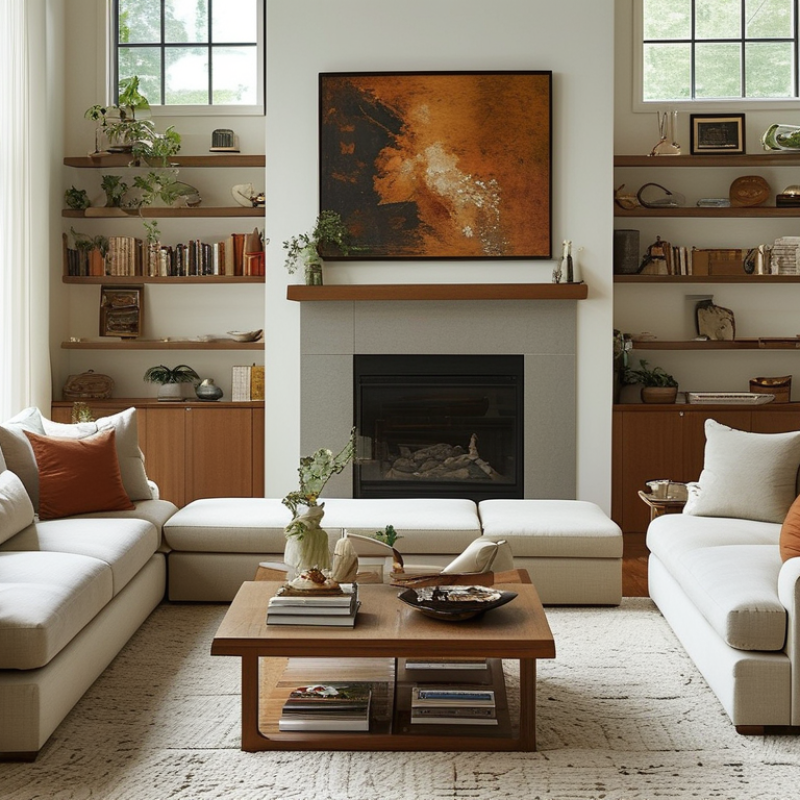
Maximizing space in small living rooms is essential for creating a comfortable and functional environment. According to the National Association of Realtors, 67% of homebuyers prioritize open space for living areas. To optimize your small living room layout, focus on furniture arrangement and the use of multipurpose pieces.
One effective strategy is to use a sectional sofa. This type of seating can efficiently fit into a corner, opening up the floor for movement. Also, consider low-profile furniture to create an illusion of height in the room. Additionally, using mirrors can enhance natural light, making the space feel larger. A recent report from The American Institute of Architects shows that homeowners report 30% more satisfaction in spaces utilizing reflective decor.
Tips: Always leave at least 18 inches between furniture pieces for easy navigation. Choose furniture with legs to create a sense of openness. In a small setting, every piece must serve a purpose. This can lead to a more clutter-free environment. Sometimes it’s beneficial to rethink your existing furniture. What can be removed or repurposed? Lightweight items can be shifted around as needed, preventing a static feel in your space.
Arranging furniture in a living room can greatly affect comfort and flow. The key is to create a space that feels inviting and functional. Start by identifying the focal point of the room, such as a fireplace or a large window. Grouping seating around this focal point fosters conversation and connection.
Consider the space between furniture pieces. Aim for easy movement around the room. A walkway of 18 to 24 inches works well. This will help avoid a cramped feeling. If your layout feels tight, try moving furniture further apart. This simple adjustment can enhance flow.
Here are a couple of tips to keep in mind:
- Use rugs to define different areas, especially in open layouts.
- Mix furniture sizes to create visual interest.
Remember, it’s okay if your layout doesn't feel perfect at first. Experiment with different arrangements until you find what works best for you. Your living room should reflect your lifestyle while promoting a relaxed atmosphere.
The layout of your living room has a significant impact on both aesthetics and functionality. A well-planned space enhances comfort and encourages social interaction. According to a report by the American Institute of Architects, the right arrangement can improve mood and make a room feel larger. Understanding how to utilize space effectively is critical for optimal design.
When arranging furniture, focus on the flow of movement. Leave at least 18 inches between pieces for easy access. Consider the focal point of the room, like a fireplace or a large window. Position seating to create engaging conversation areas. A study by the National Association of Realtors found that a functional layout can increase home appeal and potential buyer interest.
Tips: Use area rugs to define separate spaces. This adds visual interest while keeping the layout organized. Avoid overcrowding; minimalism often leads to a more spacious feel. Lastly, regularly reflect on your layout. Is it still serving your lifestyle effectively? Adjustments can revitalize your living area and make it more enjoyable.
| Layout Type | Description | Aesthetic Impact | Functionality |
|---|---|---|---|
| Traditional Layout | Symmetrical arrangement of furniture around a focal point. | Classic and balanced look, inviting. | Encourages conversation; suitable for larger spaces. |
| Open Plan Layout | Minimal barriers with furniture defining areas without walls. | Modern and airy feel, great for light and flow. | Enhances mobility and flexibility; perfect for entertaining. |
| L-Shaped Layout | Uses two seating areas forming an L shape. | Cozy and intimate, visually dynamic. | Maximizes seating in smaller spaces; functional for socializing. |
| Floating Furniture Layout | Furniture placed away from walls, creating an open area. | Contemporary and chic; emphasizes openness. | Encourages interaction; flexible rearrangement options. |
| Zone Layout | Different areas dedicated to activities, such as reading, chatting. | Visually interesting, personalized to activities. | Highly functional; supports multi-use space. |
In today’s fast-paced world, creating multi-functional living spaces is essential. Innovative layout ideas can transform a standard room into a versatile hub. Consider using a combination of furniture pieces to serve various purposes. For instance, a sleek sofa bed accommodates guests while maintaining a chic look. A set of nesting tables can provide extra surface space when entertaining.
Think about the flow of movement in your room. Place larger furniture pieces like couches against the walls to open the layout. This allows for easier navigation, especially when the space is small and crowded. An ottoman can serve as both a coffee table and additional seating. However, be careful with clutter. Too many items can create a chaotic feel, defeating the purpose of your design.
Natural elements enhance the atmosphere of your living area. Incorporate plants to bring life into your space. A well-placed shelf can display books and decorative objects without overwhelming the room. Yet, striking a balance is key; empty spaces are just as important as decorated ones. Reflect on your choices often to ensure they serve your lifestyle effectively.
When arranging furniture in a living room, social interaction should be a top priority. Research indicates that spaces designed for conversation can enhance relationships. A study by the National Association of Realtors found that open layouts encourage more interaction. Furniture placement plays a crucial role in creating such environments.
Consider the arrangement of sofas and chairs. Position seating to face each other. This simple change fosters a sense of community. For smaller rooms, employ multi-functional furniture. A storage ottoman can serve as seating and a table, maximizing space while promoting gatherings.
One potential issue arises with oversized furniture. Bulky pieces can disrupt flow and discourage movement. A well-planned space should allow guests to circulate freely. When guests feel trapped by furniture, interaction diminishes. Evaluating each piece for its impact on the overall layout is vital. Adjustments may be necessary to find the right balance that encourages conversation.
: Use furniture arrangements wisely and incorporate multipurpose pieces to save space.
Consider a sectional sofa that fits in a corner, allowing for open movement in the room.
Low-profile furniture creates an illusion of height, making the room feel more spacious.
Mirrors reflect light and help enhance the natural brightness, making the space appear larger.
Always leave at least 18 inches between pieces to ensure easy navigation around the room.
Furniture with legs creates a sense of openness, making the room feel less cramped.
Yes, every item should have a function to maintain a clutter-free environment.
Regularly reassess your layout to see if it meets your lifestyle needs and preferences.
Area rugs define separate spaces, adding visual structure without overcrowding the layout.
Yes, minimalism can create a more spacious feel and improve the overall atmosphere of the room.
When considering what is the best furniture layout for living rooms, it’s essential to maximize space, especially in small living areas. Utilizing effective furniture arrangements can create a comfortable flow while enhancing the overall functionality and aesthetic appeal of the room. Key principles include ensuring sufficient space for movement and focusing on scale and proportion to avoid overcrowding.
Incorporating innovative layout ideas allows for multi-functional use of the living space, catering to both relaxation and social interaction. Strategic furniture placement not only promotes engagement among guests but also encourages a welcoming atmosphere. By thoughtfully considering these factors, homeowners can achieve a harmonious balance between style and comfort, ultimately transforming their living rooms into inviting environments.
