Fance Home
The source articles were not included, so I can’t responsibly cite their data or attribute a quotation to an industry expert. Please provide the articles or the expert and report details you want referenced, and I can write the requested introduction without inventing sources.
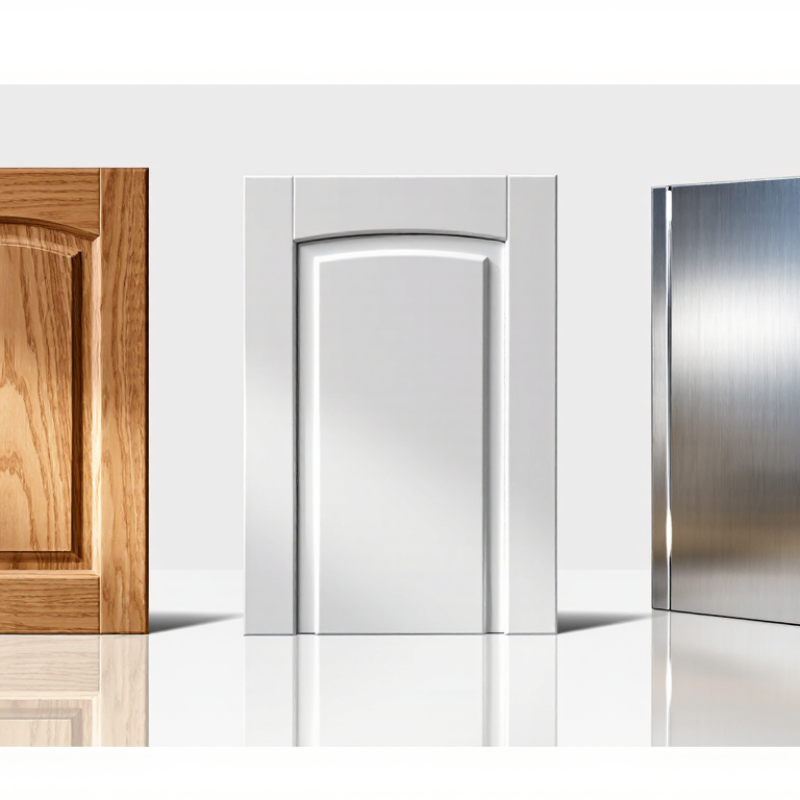
The best cabinet material depends on how the kitchen is used, not just how it looks in a sample. Plywood offers a stable structure and holds screws well, which helps with heavy doors and frequent use. Solid wood is strong and repairable, but it can expand or shrink as humidity changes. That movement may show up as small gaps around a door. Details matter. Medium-density fiberboard has a smooth surface for painted finishes, though exposed edges need careful sealing. Particleboard usually costs less, but its performance depends heavily on construction and protection from water.
Moisture resistance is not the same as waterproofing. Leaks beneath a sink can damage almost any wood-based panel if they go unnoticed. Look for sealed edges, sound joinery, and finishes that can be cleaned without abrasive products. Still, it varies. A durable material may cost more upfront, yet replacement and repair costs matter too. Compare the full cabinet construction, not only the core panel. Finish also affects daily upkeep: matte surfaces can soften fingerprints, while glossy ones reflect more light but may reveal smudges. I would not choose from a small sample alone; view a larger finished panel in the kitchen’s actual light.
A practical comparison of strength, moisture resistance, affordability, and finish quality
Ratings are approximate comparative assessments on a 1–5 scale, not standardized laboratory measurements. Higher affordability means lower typical material cost. Moisture performance depends on the panel grade, edge sealing, and finish; no cabinet material is waterproof.
Maple earns its place in kitchen cabinets through a useful balance of strength and workability.
Hard maple has a Janka hardness rating of about 1,450 lbf, meaning a steel ball requires that much force to press halfway into the wood. It is a resistance measure, not a promise against every dent. A dropped cast-iron pan can still leave a mark. Still, maple handles everyday knocks better than many softer woods.
Its repairability is another practical advantage. Small surface scratches can often be sanded and refinished, especially on cabinets with a clear or lightly tinted finish. A shallow ding may respond to careful moisture and heat, but results vary with the finish and damage. Deep gouges may need filler or a skilled repair. No magic fix.
Solid wood also shifts slightly as indoor humidity changes, so well-built doors allow for that movement. Maple’s pale grain gives repairs a fair chance of blending, though stain can make color matching less forgiving. That trade-off deserves thought before choosing a dark finish.
Plywood is made from thin wood veneers bonded in alternating grain directions. That cross-lamination helps resist the natural swelling and shrinking that can occur as humidity changes. One layer pushes against the movement of the next, keeping a panel more consistent than a solid board of similar size. It is not movement-proof. But it can reduce cupping and twisting in broad cabinet sides and shelves. Imagine a cabinet beside a dishwasher, where warm, damp air may reach the panel repeatedly. Stable construction matters there.
The details still count. A well-made panel has evenly bonded plies, a flat surface, and few internal gaps. Sealed edges help limit moisture entry, especially around sink cabinets. I would not assume every plywood panel performs equally; that is an easy mistake. Veneer thickness, core quality, adhesive, and workmanship all affect durability. Plywood can also show rough edges or uneven layers when cut, so inspect exposed areas before choosing a finish. It offers a practical balance of strength and dimensional stability, though it still needs sensible protection from leaks and persistent dampness.
At 600–800 kg/m³, medium-density fiberboard (MDF) offers cabinet fronts a dense, even surface. Its refined wood fibers leave no natural grain to telegraph through paint. That makes small shaker profiles and flat panels easier to finish consistently. The USDA Forest Products Laboratory’s Wood Handbook explains how engineered panels are formed from wood fibers and adhesives under heat and pressure. ANSI A208.2-2022 sets performance requirements for MDF, but density alone does not establish a panel’s quality. Check the grade and manufacturer’s technical sheet, too.
The smooth face is only part of the story. Sanded edges can soak up primer, so seal them before applying paint; otherwise, the edges may look rough beside the face. MDF also needs protection from standing water and persistent dampness. A sink-side door deserves careful sealing. Not magic. In practical selection, weigh panel thickness, screw-holding needs, and moisture exposure alongside the 600–800 kg/m³ range. I would inspect a primed sample under side lighting before approving a full set; tiny surface flaws can disappear head-on, then show clearly near a window.
A cabinet material cannot be judged by its label alone. KCMA A161.1 evaluates assembled cabinets through performance tests that examine structural strength, door and drawer operation, and finish resistance. That matters because a panel, its edge treatment, fasteners, hinges, and coating work together. A strong core can still fail at a weak joint.
Plywood often holds screws well and resists sagging when properly built, but its quality and thickness vary. Medium-density fiberboard provides a smooth base for painted finishes, though exposed edges need careful sealing. Particleboard can perform adequately in a well-designed cabinet, yet moisture protection and secure hardware attachment deserve close attention. Solid wood is not automatically superior; it can move with changes in humidity. Not a simple ranking.
During testing, evaluators look for failures such as loose connections, impaired movement, or finish damage after exposure to household conditions. These checks offer useful evidence, not a promise that every kitchen will age identically. Installation, leaks, cleaning habits, and daily use still matter. A cabinet that passes may behave differently beside a dishwasher than in a dry pantry. That detail is easy to overlook. Compare construction and finish choices against the test results, then ask how edges, joints, and hardware are protected in real kitchens.
Plywood often holds screws well and supports heavy doors. Construction quality still matters.
No. Solid wood is repairable, but humidity can make it expand or shrink. Small gaps may appear.
It provides a smooth base for painted finishes. Seal exposed edges carefully.
Not necessarily. It can perform adequately when well constructed, but protect it from moisture and secure its hardware.
No. A leak under the sink can damage many wood-based panels. Check for sealed edges.
They assess assembled cabinets, including strength, door and drawer movement, and finish resistance. Useful evidence, not a guarantee.
Matte finishes can soften the look of fingerprints. Glossy finishes reflect more light but may show smudges.
Inspect joints, edges, fasteners, and hardware protection. View a larger finished panel in your kitchen’s light; small samples can mislead.
Yes. Installation, leaks, cleaning, and daily use affect aging. A cabinet near a dishwasher may fare differently. That deserves a closer look.
Choosing cabinet materials means balancing strength, moisture resistance, cost, and the finish you want. For homeowners asking “what are the best materials for kitchen cabinets,” solid hardwood, plywood, and MDF each offer distinct advantages. Maple, with a Janka hardness rating of about 1,450 lbf, is durable and can often be repaired, making it a strong choice for cabinet parts that see frequent use.
Plywood’s cross-laminated veneers help limit movement as humidity changes, supporting dimensional stability in cabinet boxes. MDF, typically around 600–800 kg/m³ in density, provides a smooth, even surface that works especially well for painted cabinet fronts. No material is ideal for every kitchen, so compare options based on the room’s conditions, budget, and design goals. KCMA A161.1 performance tests can also help assess how cabinet construction stands up to demanding everyday use.
